Google Business Profile Optimization vs. Social Media Marketing: Where Should You Focus in 2026?

The Big Question Every Business Owner Is Asking
In 2026, many business owners face a critical marketing decision: Should we focus more on optimizing our Google Business Profile or invest heavily in social media marketing?
Both channels offer unique advantages and can drive valuable leads, but they operate differently and require distinct strategies. Understanding these differences is essential for allocating your time and budget effectively.
Most businesses benefit from leveraging both, but the key is prioritizing based on your industry, audience, and specific goals.
Let’s explore the strengths of each channel to help you make an informed choice this year.
Google Business Profile Optimization in 2026: What It Really Means
Your Google Business Profile (GBP) is often the first interaction potential customers have with your business. When users search for local services—like "dentist near me" or "best Italian restaurant in [city]"—your profile either appears prominently or gets overlooked.
In 2026, Google has enhanced GBP features significantly. You can now provide detailed service listings, respond to reviews with rich formatting, post updates that stand out in search results, and integrate booking or messaging directly within your profile. For businesses relying on local customers or foot traffic, optimizing your GBP is essential.
Who Gains the Most from GBP Optimization?
- Local service providers: plumbers, electricians, attorneys, dentists, auto repair shops
- Brick-and-mortar retailers: restaurants, salons, boutiques, gyms
- Multi-location businesses: franchises, chains, regional brands
- Any business dependent on "near me" searches
If your customers search locally for your services, a well-optimized GBP can deliver highly qualified leads more effectively than many other marketing channels.
What Effective GBP Optimization Entails
Optimization goes beyond simply claiming your listing. In 2026, competitive GBP management includes:
- Complete and accurate business details: hours, categories, service areas, attributes, and product listings fully updated.
- Consistent review management: actively encouraging customer reviews and responding thoughtfully to all feedback.
- Regular posts and updates: sharing promotions, events, and news to demonstrate activity.
- High-quality photos and videos: authentic images of your business, team, and products—not stock photos.
- Q&A oversight: monitoring and promptly answering questions on your profile.
- Adoption of new GBP features: early use of Google's latest tools to enhance visibility.
These efforts ensure you appear prominently to customers actively searching for your offerings—traffic with strong purchase intent.
Social Media Marketing: Creating Demand in 2026
Unlike search, social media marketing focuses on creating demand by introducing your brand to audiences who may not yet be looking for you.
In 2026, short-form video dominates platforms like Instagram, TikTok, YouTube Shorts, and LinkedIn. AI-driven content recommendations enable even smaller accounts to reach wide audiences if their content resonates.
Who Benefits Most from Social Media Marketing?
- E-commerce and direct-to-consumer brands: where visual storytelling drives sales
- Personal brands and professional services: consultants, coaches, thought leaders building authority
- Businesses targeting younger demographics: audiences under 40 who discover brands via social feeds
- Industries with strong visual appeal: food, fashion, fitness, travel, design
- Companies aiming for long-term brand awareness
Key Elements of Effective Social Media Marketing
Effective social media requires more than occasional posts. In 2026, success depends on:
- Clear content strategy: purposeful posts tailored to your audience and goals.
- Consistent publishing: regular activity to maintain algorithmic relevance.
- Authentic engagement: responding to comments and fostering community.
- Platform-specific content: customizing content for each platform’s unique audience and format.
- Strategic paid promotion: supplementing organic reach with targeted ads to amplify impact.
When executed well, social media builds brand recognition, grows your audience, and generates leads over time.
Key Differences to Guide Your Marketing Focus
Let’s compare these channels across critical factors to help you decide where to invest.
Intent vs. Discovery
Google Business Profile captures users with high purchase intent actively searching for your services. Social media excels at brand discovery and nurturing, engaging potential customers before they’re ready to buy.
Speed of Results
GBP optimization can deliver measurable improvements within weeks, especially if your profile was previously incomplete. Social media growth typically requires months of consistent effort to build trust and audience.
Resource Investment
Maintaining a GBP generally demands less daily time—periodic updates, review management, and occasional posts. Social media requires ongoing content creation, community management, and often video production, which can be resource-intensive.
Measurability
GBP offers clear metrics tied to customer actions: profile views, calls, direction requests, and website clicks. Social media metrics like likes and followers are easier to track but harder to directly link to revenue without sophisticated attribution.
Competitive Landscape
Many local markets underutilize GBP, presenting opportunities to outperform competitors with focused effort. Social media is highly competitive, demanding creativity and consistency to stand out.
How These Channels Complement Each Other
Rather than choosing one over the other, consider how GBP and social media work together.
Users often discover your brand on social media, then search your business on Google. A polished GBP with positive reviews and current information increases conversion chances. Conversely, customers who find you via Google may follow you on social media and become advocates.
To maximize synergy:
- Repurpose positive GBP reviews on social media to build trust.
- Encourage social followers to leave Google reviews with direct links.
- Cross-promote content between GBP posts and social channels.
- Maintain consistent branding across platforms to reinforce trust.
A Practical Framework for Prioritizing Your Efforts
Use this guide to determine where to focus:
Prioritize Google Business Profile if:
- You serve a local customer base
- Customers search online before visiting or calling
- You have limited marketing resources and seek high ROI
- Your competitors have weak or outdated profiles
Prioritize social media marketing if:
- You sell products or services broadly online
- Your brand benefits from visual or video storytelling
- You’re building a personal brand or thought leadership
- You need to create demand for new or unfamiliar products
Invest in both simultaneously if:
- You have the budget and team to manage both effectively
- You’re a local business aiming to expand brand reach
- You operate in a competitive market requiring multiple touchpoints
Recommended Approach for Small and Mid-Sized Businesses
For business owners with limited time and budget, the best initial focus is to optimize your Google Business Profile.
GBP captures customers actively searching for your services, requires less daily maintenance than social media, and often delivers the highest return on investment—especially for local businesses.
Once your profile is optimized and generating steady leads, layer in social media marketing to build brand awareness and cultivate future customers. This approach balances capturing immediate demand with creating long-term growth.
Conclusion: Choose Your Priority and Execute Well
There’s no one-size-fits-all answer to the GBP versus social media question. The right choice depends on your customers’ behavior, your offerings, and your available resources.
A neglected Google profile or inconsistent social media presence can harm your brand more than help. Instead, pick a priority, commit to doing it well, and expand from there.
Need help determining the best marketing mix for your business? Contact our team for a free consultation. We’ll assess your current position and develop a tailored plan aligned with your goals, budget, and market.
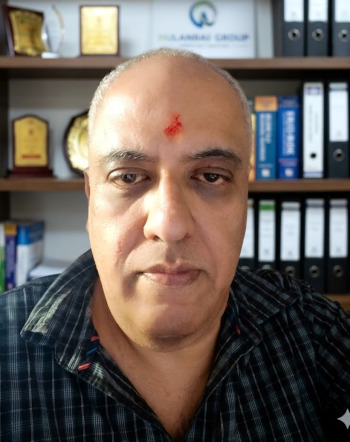
Vindh Sharma is a digital marketing strategist with deep expertise in local SEO, Google Business Profile optimization, and multi-channel marketing for small and mid-sized businesses. He writes about practical marketing strategies that help business owners make smarter decisions with their time and budget.